The Symbolism of Animals in Dreams: How to Interpret Their Meaning
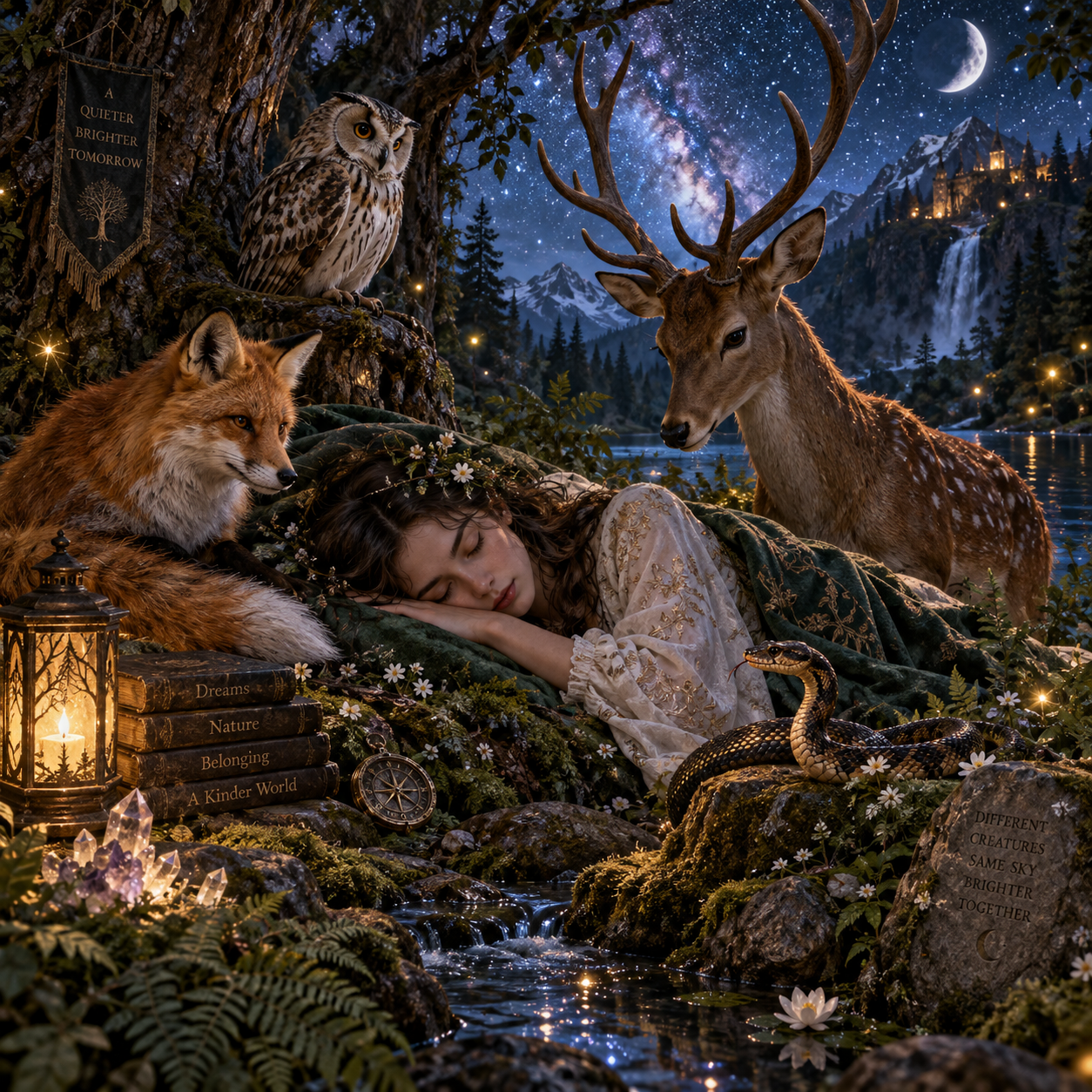
Animals often appear in dreams when the mind is working with powerful themes such as instinct, fear, desire, trust, vulnerability, or personal change. The symbolism of animals in dreams can offer useful clues, but no animal has one universal meaning. A dog may represent loyalty to one dreamer and anxiety to another, depending on memory, emotion, and waking-life circumstances.
Why Animals Appear in Dreams
Animals appear in dreams because they can express instinctive feelings, emotional patterns, relationships, fears, desires, and parts of the personality that are difficult to describe directly. Their presence often gives an abstract concern a vivid, memorable form.
In dream interpretation, an animal may symbolize the way you respond before conscious reasoning takes over. A fleeing deer might reflect vulnerability or a wish to escape pressure. A protective dog could represent trust, companionship, or a need for emotional support. A caged bird might point toward restricted freedom, while a powerful horse may suggest energy and forward movement.
These possibilities are prompts for reflection rather than fixed conclusions. Consider three connected questions:
- What instinct is present? Are you hiding, defending yourself, pursuing something, or seeking safety?
- What emotion is strongest? Fear, affection, disgust, wonder, grief, and calm can each change the symbol’s meaning.
- What part of your life feels similar? The animal may echo a relationship, work situation, family dynamic, decision, or personal conflict.
Animals can also represent qualities that the dreamer admires or rejects. A wolf may suggest independence and community, but it could also connect with loneliness or danger. The important clue is usually the relationship between you and the animal, not the species alone.
How Context Shapes an Animal Dream’s Meaning
The meaning of an animal dream depends more on context than on a standard symbol definition. Animal behavior, appearance, setting, interaction, and emotions in dreams provide the details needed for a personal interpretation.
Start with animal behavior. Was the creature calm, aggressive, injured, playful, trapped, watching you, or trying to communicate? A snake that rests peacefully beside you creates a very different dream from a snake that chases you through a house.
Next, examine its appearance. Size, color, health, number, and unusual features may reflect how intense or unfamiliar the issue feels. A tiny spider may represent a manageable irritation; a room filled with spiders may suggest that the same concern feels overwhelming.
The setting also matters. A wild animal in its natural habitat may feel balanced, while a wild animal inside your bedroom can suggest that instinctive or emotional material has entered a private part of life. Ask whether the location resembles your home, workplace, childhood, or another meaningful place.
Your emotional response is often the strongest interpretive guide. If a traditionally frightening animal made you feel safe, a rigid dream dictionary may lead you in the wrong direction. Personal associations outrank generic symbolism: your childhood pet, a recent documentary, a cultural tradition, or a real-life encounter may all shape the dream.
Common Animal Dream Symbols
Common animal dream symbols can suggest themes such as loyalty, independence, transformation, freedom, instinct, or threat, but their meaning changes with the dreamer’s experiences and emotional response.
Dogs often relate to loyalty, friendship, protection, and trust. A friendly dog may reflect dependable support, while a barking or biting dog could suggest conflict, suspicion, or a boundary problem.
Cats may connect with independence, sensitivity, mystery, self-protection, or intuition. A relaxed cat can symbolize comfort with solitude; an injured cat might reflect concern about vulnerability or neglected needs.
Snakes are frequently associated with fear, hidden tension, healing, renewal, or transformation. Their symbolism is especially personal. Someone who fears snakes may experience one as a threat, while someone who studies reptiles may associate it with curiosity and respect.
Birds can suggest freedom, perspective, communication, or escape. A bird in flight may feel liberating, whereas a bird with a damaged wing may represent blocked expression or limited choices.
Horses often evoke vitality, movement, independence, and emotional energy. Riding a horse may suggest a sense of direction, while losing control of one may point toward concerns about impulse or uncertainty.
Wolves can represent instinct, independence, loyalty to a group, or the fear of being threatened. Insects may reflect persistent irritations, productivity, social pressure, or feelings of being overwhelmed by small problems. Other wild animals may embody raw power, unfamiliar parts of the self, or a need to respect personal boundaries.
These interpretations work best as starting points. Write down your first association before consulting any symbolic reference. Your immediate reaction often contains more relevant information than a general list of meanings.
Positive, Threatening, and Unusual Animal Encounters
Friendly animal encounters often suggest comfort, connection, guidance, or acceptance, while attacks and pursuits may reflect fear, vulnerability, conflict, or pressure. Unusual encounters usually deserve attention because they combine familiar emotions with unexpected imagery.
A gentle animal that approaches you may symbolize trust developing in a relationship or a quality you are learning to accept in yourself. Feeding an animal can suggest care, responsibility, or the deliberate strengthening of an instinct. However, even a positive dream may contain tension: caring for a demanding animal could mirror emotional obligations that leave little room for rest.
When an animal attacks, avoid assuming that the dream predicts danger. The attack may dramatize a boundary violation, unresolved anger, shame, or a fear that feels difficult to confront while awake. Being chased can reflect avoidance, although it can also arise from ordinary stress, recent media, or physical sensations during sleep.
Injury and captivity introduce another layer. An injured animal might represent compassion, helplessness, or a neglected part of your emotional life. A caged animal may reflect restriction, but it could also symbolize safety if the dream’s emotional tone is peaceful.
Talking animals, human-animal transformations, and unfamiliar species often highlight a quality that the mind wants you to notice. Focus on what the animal says or becomes, how credible the communication feels, and whether the change brings relief or alarm. The unusual detail may be less a supernatural message than a creative way for the dreaming mind to organize emotion.
A Step-by-Step Method for Interpreting Animal Dreams
To interpret an animal dream, record the details, identify the dominant emotion, explore personal associations, connect the dream with current life, and track patterns over time. This method keeps symbolism grounded and avoids overconfident conclusions.
- Record the dream quickly. Use a dream journal beside the bed and note the animal, setting, actions, people, colors, and ending. Details often fade within minutes of waking.
- Name the strongest emotion. Choose precise words such as guarded, relieved, exposed, fascinated, angry, or powerless. Emotional tone usually narrows the interpretation more effectively than species alone.
- List personal associations. Ask what this animal means to you in real life. Consider pets, fears, memories, cultural influences, recent conversations, and media exposure.
- Examine the interaction. Were you observing, hiding, rescuing, feeding, fighting, following, or becoming the animal? The action may mirror a current behavioral pattern.
- Connect it to waking life. Look at recent stress, relationships, choices, boundaries, instincts, and opportunities for personal growth. Avoid forcing a connection if none feels genuine.
- Compare repeated details. If the same animal returns, note what changes. A threatening animal that becomes calm may reflect growing confidence or a changing relationship with fear.
A useful framework is creature, contact, context, consequence. Identify what appeared, how you interacted, where the encounter occurred, and how you felt afterward. This four-part review creates a more balanced interpretation than searching for a single definition.
Recurring Animal Dreams and Personal Growth
Recurring animal dreams may draw attention to unresolved emotions, changing instincts, personal boundaries, or an opportunity for self-reflection. Repetition does not prove that a dream predicts an event; it may simply show that a theme still feels emotionally active.
Track the dream across several entries in your dream journal. Does the animal become larger, closer, quieter, or more approachable? Do you gain an ally, find an exit, or change your response? These developments can reveal movement in your waking life.
For example, someone who repeatedly dreams of a trapped bird might begin by feeling helpless. Later dreams may show an open window, a repaired wing, or the dreamer choosing to unlock the cage. Such changes could correspond with new boundaries, a difficult conversation, or greater willingness to pursue independence.
Recurring images can also identify a neglected need. A persistent puppy may point toward care and play, while a watchful wolf may reflect the tension between belonging and autonomy. Use the dream as a question: What quality, fear, or desire keeps asking for my attention?
When an Animal Dream Feels Especially Disturbing
When an animal dream feels disturbing, treat it as an emotional experience to explore rather than a prediction or diagnosis. Ground yourself after waking, record what happened, and seek support if nightmares repeatedly disrupt sleep or daily functioning.
First, orient yourself to the present: turn on a light, name a few objects in the room, breathe slowly, and remind yourself that the dream has ended. Then write a brief account without judging your reaction. Frightening imagery can reflect stress, grief, conflict, or exposure to disturbing material, but it does not automatically reveal a hidden truth.
Avoid making major decisions based only on one dream. Look for patterns across time and compare the imagery with real evidence from your life. If recurring nightmares cause significant distress, insomnia, panic, or daytime impairment, a qualified mental health professional can help you explore them safely. Dream interpretation can support self-reflection, but it should not replace medical or psychological care.
The symbolism of animals in dreams is most useful when it encourages curiosity and self-compassion. Ask what the animal may be expressing, what emotion needs acknowledgment, and what small waking-life action could restore a sense of safety or direction.
Frequently Asked Questions About Animal Dreams
What does it mean to dream about animals?
Dreaming about animals may reflect instincts, emotions, relationships, fears, desires, or personal growth. The animal’s behavior and your emotional response matter more than a universal definition.
Do different animal species have specific dream meanings?
Species can carry common associations, such as dogs with loyalty or birds with freedom, but these are possibilities rather than rules. Personal associations and the dream’s context can completely change the meaning.
What does it mean when an animal attacks you in a dream?
An animal attack may symbolize fear, vulnerability, conflict, anger, or a perceived boundary violation. It does not reliably predict a real-world attack or future event.
Why do I keep dreaming about the same animal?
A recurring animal may represent an unresolved emotion, repeated life situation, changing instinct, or ongoing concern. Compare the animal’s behavior and your response from one dream to the next.
Can dream meanings change over time?
Yes. As your relationships, beliefs, fears, and circumstances change, the same animal may take on a different meaning. Your current emotional response is often the most relevant clue.