The Science of Dreaming: How Our Brains Create Nighttime Stories
What Happens in the Brain During Sleep?
During sleep, the brain cycles through different stages, with Rapid Eye Movement (REM) sleep being the primary phase where most vivid dreaming occurs. Brain activity resembles wakefulness during REM, enabling the creation of complex dream experiences.
The sleep cycle broadly divides into two phases: Non-REM (NREM) and REM. NREM happens first and involves deep restorative brain activity with minimal dreaming. REM sleep follows, characterized by rapid eye movements, increased heart rate, and widespread brain activation—especially in areas involved in emotion and vision.
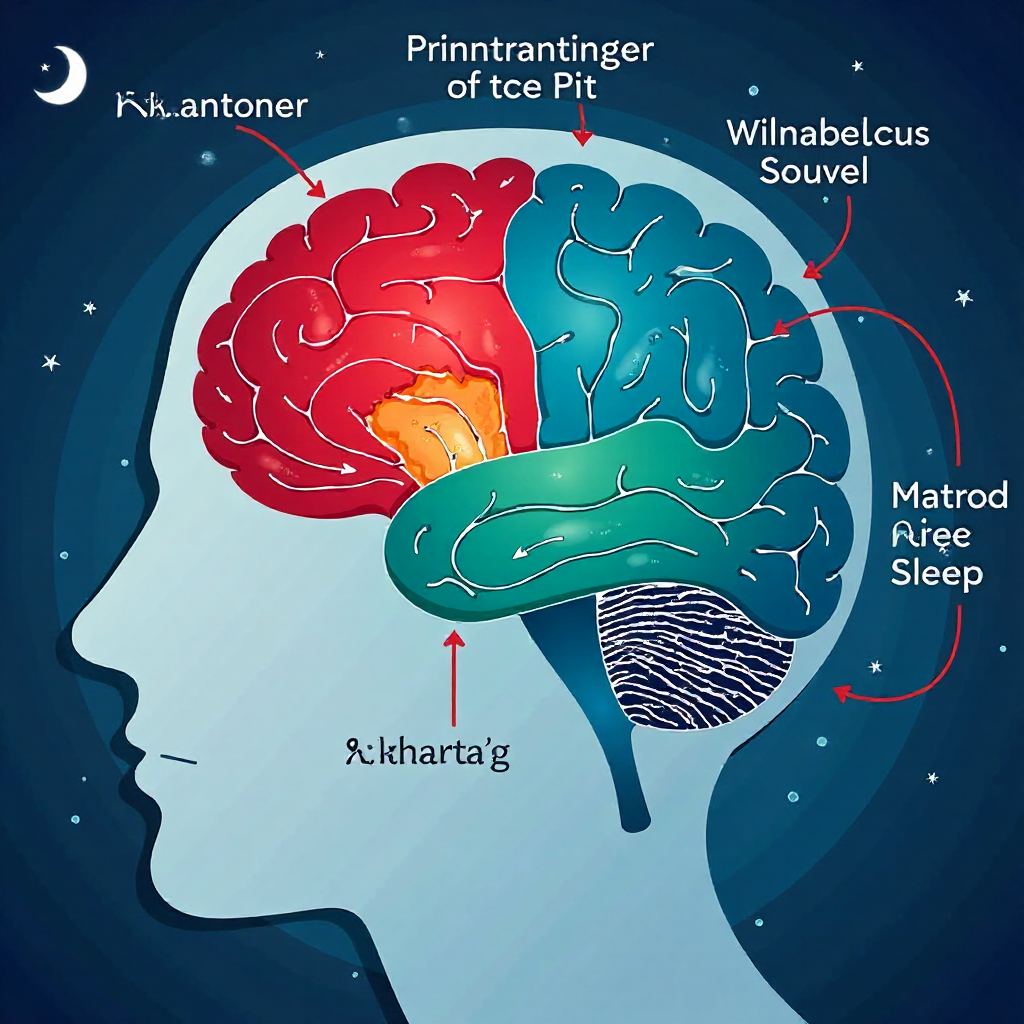
During REM, the prefrontal cortex—the center for logical reasoning—is less active, while the limbic system, including the amygdala, shows heightened activity. This shift allows for emotional and visual regions to dominate, setting the stage for intense, often bizarre dream narratives.
Neurotransmitters such as acetylcholine increase during REM, facilitating vivid imagery and neural communication, while others like serotonin and norepinephrine reduce their activity, which influences the dream state’s unique quality.
How Dreams Are Formed: The Role of Memory and Emotions
Dreams form as the brain processes memories and emotions from waking life, weaving them into narratives during sleep. Memory consolidation—where the brain strengthens important memories—occurs predominantly during NREM but continues into REM, influencing dream content.
The hippocampus, a key memory hub, interacts with the cortex to replay and reorganize recent experiences. This reactivation helps integrate new information but also allows fragments to mix, resulting in dream stories blending past events with imagined elements.
Emotional processing is closely tied to dreaming; the amygdala activates strongly in REM, modulating feelings linked to memories. This can cause dreams to dramatize certain emotions like fear, joy, or anxiety, reflecting the brain’s attempt to regulate mood and stress.
For example, stressful events often appear in nightmares, highlighting how the brain uses dreams to process unresolved feelings. Conversely, positive memories may result in comforting or fantastical dream imagery, serving emotional balance.
The Neuroscience Behind Dream Imagery and Storytelling
Dream imagery and storytelling arise from the dynamic interplay between brain regions and chemical signals during REM sleep. The visual cortex produces vivid pictures, while the temporal lobes contribute to complex narratives and sounds.
The relative deactivation of the prefrontal cortex reduces logical control and self-awareness, which explains why dreams can feel unrealistic yet accepted as true while dreaming. This diminished executive function also allows creative and emotional centers to dominate, generating surreal storylines.
Neurotransmitters such as dopamine influence the emotional tone and reward value of dreams, impacting how memorable or intense they feel upon waking. Serotonin’s modulation of mood also colors dream content, linking brain chemistry with dream themes.
This neurochemical cocktail creates an environment where memories, emotions, and sensory experiences combine freely, producing the rich, sometimes illogical stories we recall as dreams.
Sleep Cycles and the Frequency of Dreaming
Dreams primarily occur during REM periods, which repeat cyclically throughout the night approximately every 90 minutes. Early sleep cycles involve shorter REM phases, while later cycles can last up to 30 minutes or more, increasing dream frequency and complexity towards morning.
The typical adult experiences four to six REM phases per night. Light NREM sleep can also feature brief dream episodes, but these are usually less vivid. The alternation between NREM and REM stages is crucial for memory consolidation and brain restoration.
Disruptions to sleep cycles—due to stress, sleep disorders, or substances—can reduce REM duration, affecting dream recall and emotional processing. Conversely, longer uninterrupted REM spans enhance dream vividness and length.
Understanding these cycles helps explain why people often remember dreams best right before waking, as the brain is in an extended REM state close to morning.
Common Themes and Symbols in Dreams: A Scientific Perspective
Many dream themes and symbols have identifiable psychological and neurological roots, rather than purely mystical meanings. Dreams often use imagery derived from daily experiences, emotional states, and memory fragments to represent underlying thoughts.
For example, common symbols like falling or being chased relate to feelings of anxiety or loss of control. Objects or people in dreams often symbolize aspects of the self or recent events processed emotionally during sleep.
The brain’s pattern-finding tendencies can turn abstract memories into symbolic forms, making dream images feel meaningful or surreal. This natural symbolic encoding serves as emotional problem-solving during sleep.
Scientific interpretations suggest that dream symbolism provides insight into subconscious concerns and emotional challenges without implying predetermined future events or mystical powers.
Cultural and Folklore Insights on Dream Interpretation
Across history and cultures, dreams have been viewed as messages from the divine, prophecies, or guides to the soul. Ancient Egyptian, Greek, and Indigenous traditions often attributed symbolic meanings to dreams, influencing sleep rituals and social behavior.
While modern science interprets dreams through brain activity and psychological processing, folklore emphasizes narrative and metaphor, acknowledging dreams as meaningful experiences in human life.
For instance, many cultures celebrate lucid dreaming or dream control as a spiritual practice. The overlap of scientific and cultural perspectives enriches how we understand dreams—not merely as brain noise but as personal and collective stories with emotional depth.
Lucid Dreaming and Sleep Disorders Related to Dreams
Lucid dreaming occurs when a person becomes aware they are dreaming and can sometimes control the dream narrative. This state involves increased activation of the prefrontal cortex during REM, blending wakefulness with dreaming.
Sleep disorders like sleep paralysis involve a temporary inability to move during transitions into or out of REM sleep, often accompanied by vivid hallucinations. These experiences highlight the complex neurobiology behind the dreaming state.
While lucid dreaming can be cultivated through techniques like reality checks, sleep paralysis and nightmares can disrupt sleep quality and cause distress if frequent.
Understanding these phenomena scientifically helps distinguish typical dream experiences from symptoms that may require lifestyle adjustments or medical consultation.
Frequently Asked Questions About Dreaming
What causes dreams to feel real?
Dreams feel real because during REM sleep, brain regions responsible for emotion and sensory perception are highly active, while critical reasoning areas are less engaged. This creates immersive vivid experiences without logical filtering.
Why do we forget most dreams after waking?
The rapid decrease in neurotransmitters like noradrenaline after REM sleep reduces memory encoding of dreams. Without conscious effort to recall or record dreams immediately, they fade quickly upon waking.
Can dreams predict the future or have special meanings?
Scientific evidence does not support dreams as predictors of future events. However, dreams can symbolically reflect concerns and emotions, providing insight but not direct prophecy.
What is lucid dreaming, and how does it work?
Lucid dreaming is awareness within a dream, often accompanied by voluntary control. It involves increased activity in brain areas governing self-awareness, blending wakefulness with REM sleep processes.
How do emotions during the day affect our dreams?
Daytime emotions strongly influence dream content, as the brain processes emotional experiences during REM sleep. Stress, joy, or trauma can shape the tone and narrative of dreams.
For more detailed insight on sleep cycles and dreaming phases, resources like the National Institute of Neurological Disorders and Stroke offer comprehensive guides.