Sleep Paralysis: Myths, Realities, and Cultural Beliefs
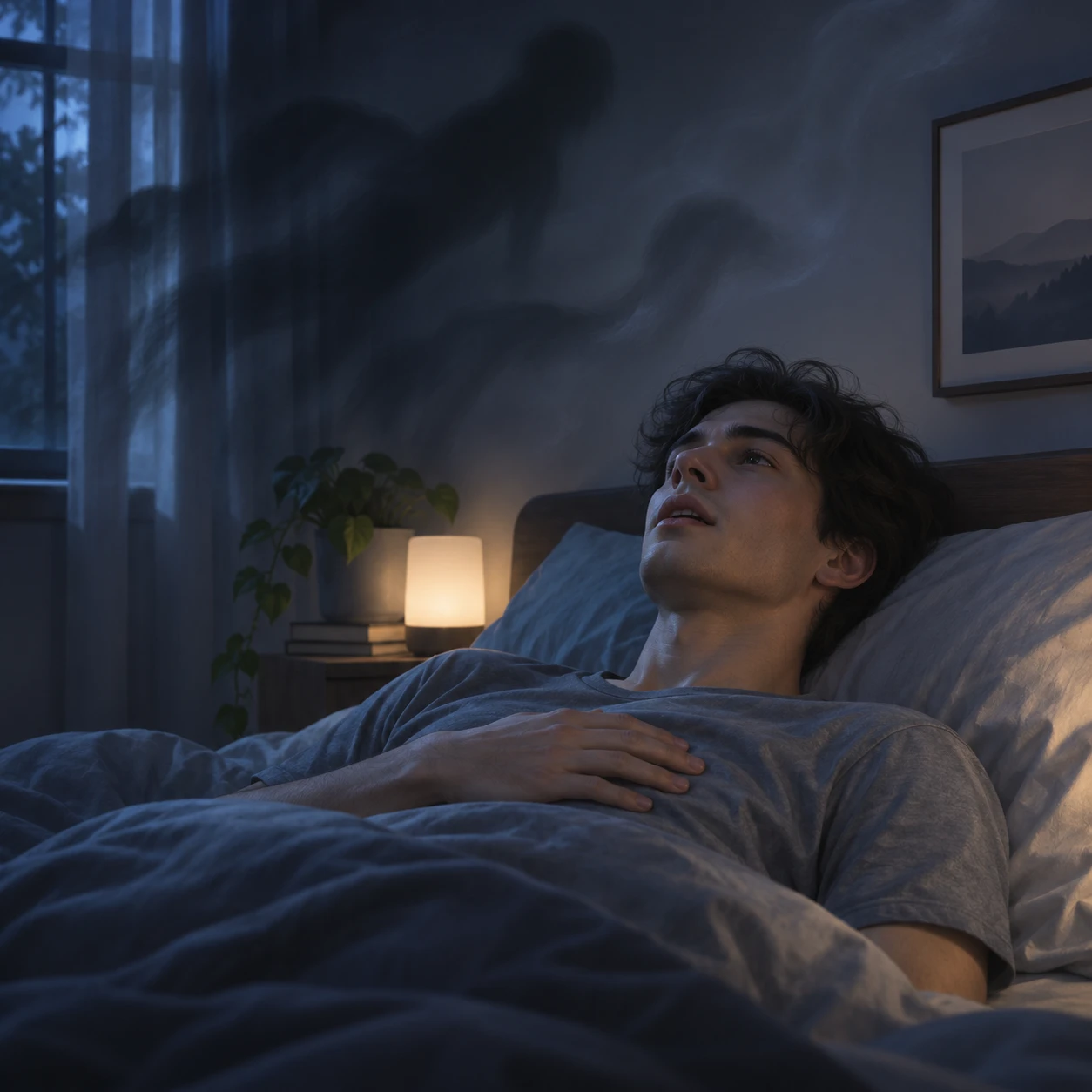
Waking up unable to move, with a sensed presence nearby, can feel profoundly real and frightening. Sleep paralysis sits at the boundary of sleep and wakefulness, where dream imagery may persist briefly as awareness returns. People have explained the experience in many ways, from sleep science to spiritual and cultural beliefs. Understanding both the physical experience and its possible personal meaning can help make it less frightening.
What Is Sleep Paralysis?
Sleep paralysis is a brief inability to move or speak while falling asleep or waking up. It occurs during a sleep-wake transition, when awareness returns before the body’s normal movement control has fully come back online.
During rapid eye movement, or REM sleep, the brain is active and vivid dreams are common. The body’s muscles are temporarily kept from making most movements, which helps prevent a person from physically acting out dreams. In sleep paralysis, elements of this normal REM muscle inhibition overlap with waking awareness.
An episode can happen as someone is drifting off to sleep, called hypnagogic sleep paralysis, or while waking, called hypnopompic sleep paralysis. The person may recognize the bedroom and know they are awake, yet remain unable to move for a short time. Episodes usually pass on their own. Experiences vary, and one episode does not by itself establish a sleep disorder or other diagnosis.
Sleep paralysis is a description of an experience, not proof of a supernatural cause. A sleep-related explanation can describe how an episode may happen, while leaving room for someone to reflect on what it meant to them personally.
What an Episode Can Feel Like
A sleep paralysis episode may involve temporary immobility, difficulty speaking, and vivid dreamlike sensations while a person feels awake. Some people also sense a presence, pressure, or movement in the room, which can make the episode especially unsettling.
Hallucinations in this context are perceptions that seem real but occur as dream imagery overlaps with waking awareness. They can be visual, auditory, or tactile. A person might see a figure, hear a sound, or feel as if someone is sitting on the bed. Not everyone experiences hallucinations, and the images differ from person to person.
Researchers and clinicians often group these sensations into broad patterns: a threatening intruder or presence, pressure on the chest or difficulty breathing, and a feeling of floating or leaving the body. These descriptions can help explain why reports from different people sometimes sound alike. They do not mean the person is actually being touched or watched. Breathing continues during an episode, although fear and the sensation of pressure can make breathing feel difficult.
Fear can intensify what a person notices. When movement is unavailable and the brain is still producing dream imagery, an ambiguous shadow or sound may take on a threatening meaning. That does not make the distress imaginary; it means a real, frightening perception can arise during an unusual sleep-wake state.
Common Myths and What We Know
Sleep paralysis is not established evidence of possession, a supernatural attack, or an outside presence. A plausible sleep-related explanation is that REM sleep features and waking awareness overlap, though that explanation does not settle what an episode means within an individual’s spiritual beliefs.
Myth: “A spirit or demon caused it.” Many people have interpreted the sensed presence through supernatural traditions. That interpretation can be culturally meaningful, but it is not a conclusion supported by the experience alone. The feeling of a presence is a reported feature of sleep paralysis, not independent evidence that an entity was there.
Myth: “I stopped breathing.” The chest may feel heavy, and panic can make breathing seem restricted. However, sleep paralysis does not generally mean breathing has stopped. If someone has ongoing breathing problems, chest pain, or symptoms outside an episode, they should seek appropriate medical care rather than assume sleep paralysis explains them.
Myth: “It always reveals a hidden truth.” An episode can be vivid without being a prediction or a message. Sleep-related explanations can clarify why dream imagery and paralysis occur together, but they cannot determine the personal meaning of every image. A spiritual interpretation may matter to someone, yet it remains a matter of belief rather than a medically verified cause.
Keeping these distinctions clear can reduce fear without dismissing anyone’s experience: the sensations are real as perceptions, while their cause and personal significance require careful interpretation.
Sleep Paralysis Across Cultures
Communities can interpret similar sleep paralysis experiences in very different ways. Stories may describe a night visitor, spirit, witch, or other presence, reflecting local history, religion, language, and ideas about sleep.
In Newfoundland folklore, the term “Old Hag” has been used for a frightening nighttime presence associated with immobility. In Japan, the word kanashibari is commonly associated with being bound or held down. These examples are not interchangeable labels for every person’s experience, and beliefs vary within each community. They show how culture can shape the story people use to describe an event that may share some features with sleep paralysis.
Cultural beliefs deserve respectful treatment. A person’s account may be shaped by family teaching, faith, community narratives, or personal experience. A sleep-related account and a spiritual interpretation can coexist for some people, though they answer different questions: one considers bodily and sleep processes; the other may address meaning, identity, or belief.
When discussing cultural explanations, avoid treating a whole community as if it holds one fixed view. Ask what the person’s own tradition or interpretation means to them, and distinguish documented folklore from a claim that all members of a culture believe the same thing.
A Dream-Interpretation Perspective
In dream interpretation, sleep paralysis can be explored as an experience shaped by emotion and imagery, but it has no single proven symbolic meaning. Personal reflection can be useful when it stays open-ended and does not replace a sleep-related explanation or professional guidance when needed.
Start with what happened rather than reaching immediately for a symbol. What did you sense? What emotion was strongest: fear, helplessness, curiosity, or calm? Had anything in daily life made you feel trapped, watched, or under pressure? These questions may help connect the episode with current concerns, but they cannot prove that a particular image represents a specific event or hidden message.
A sensed intruder, for example, might invite reflection on feelings of vulnerability, especially if those feelings are already present in waking life. It might also be dream imagery arising during the sleep-wake transition, without a deeper symbolic message. Both possibilities can be considered without treating either as certain.
For a grounded record, write down the approximate time, sleep conditions, sensations, emotions, and anything notable from the day. Over several episodes, a journal may reveal practical patterns, such as disrupted sleep, while helping you notice recurring imagery. Use dream interpretation as a reflective lens, not a diagnosis or prediction.
What to Do After an Episode
After sleep paralysis, remind yourself that the episode is temporary, let your body fully wake, and focus on steady breathing. If episodes recur or cause significant distress, improving sleep habits and discussing them with a healthcare professional are sensible next steps.
During an episode, trying to force a large movement can increase panic. Instead, some people find it helpful to focus on a small movement, such as blinking or gently moving a finger, while reminding themselves that the paralysis will pass. These strategies are not guaranteed to shorten an episode, but they can provide a simple focus while awareness returns.
Afterward, sit up when you feel ready, turn on a light if that helps, and take a moment to reorient to the room. A brief note about the episode can help you identify possible patterns without repeatedly replaying frightening details.
Sleep habits may support more regular rest, although they cannot guarantee that sleep paralysis will never happen. Consider:
- Keeping a reasonably consistent bedtime and wake time, including on weekends.
- Allowing enough time for sleep and reducing avoidable disruptions to your routine.
- Making the bedroom comfortable and limiting activities that keep you alert close to bedtime.
- Noting whether episodes follow sleep loss, shift changes, stress, or another disruption.
See a healthcare professional if episodes are frequent, persistently frightening, interfere with daily life, or occur alongside substantial daytime sleepiness or other troubling sleep symptoms. A clinician can assess the broader picture and discuss whether further evaluation is appropriate. A dream journal may help you describe the experience, but it cannot replace medical advice.
Frequently Asked Questions
Can sleep paralysis happen while falling asleep or waking up? Yes. It can occur as awareness returns from sleep or while a person is drifting off, at either side of the sleep-wake transition.
Why might someone sense a presence during an episode? Dream imagery and threat-related sensations can persist as waking awareness returns. The presence may feel convincing, but that sensation alone does not show that someone or something is actually there.
Is sleep paralysis supernatural? Sleep science offers a plausible explanation involving REM sleep and temporary muscle inhibition. Supernatural interpretations exist in many cultural traditions, but they are matters of personal or cultural belief rather than verified causes.
How can I feel calmer during an episode? Remind yourself that the immobility is temporary, focus on slow, steady breathing, and try a small movement such as blinking. Afterward, reorient yourself to the room and seek help if episodes become persistent or distressing.