Cultural Variations in Dream Interpretation Around the World
Introduction: Why culture shapes the meaning of dreams
Dream interpretation is deeply influenced by cultural context, with different societies assigning unique meanings to the same dream images. Dreams function as cultural mirrors, reflecting a people’s history, beliefs, and values.
Though dreams are universal experiences, how they are understood varies widely depending on one’s cultural background. This shaping occurs because traditions, language, and societal norms provide a framework through which dreamers make sense of their subconscious narratives.
Across continents, dreams have served as guides, warnings, or messages from the divine—imbued with rich symbolism tied to local customs. Understanding these cultural variations in dream interpretation reveals a fascinating tapestry of human perception and meaning-making.
Common Dream Symbols and Their Global Differences
Common dream themes like flying, falling, or being chased often appear across cultures but carry contrasting interpretations. For example, the dream symbol of flying can represent freedom, spiritual ascent, or escape from problems depending on the cultural lens.
In Western societies, flying dreams often symbolize ambition or liberation from constraints, consistent with psychoanalytic and self-actualization themes. Meanwhile, some Asian cultures view flying as a sign of spiritual progress or connection to ancestors.
The theme of falling likewise varies: in some Indigenous American traditions, falling dreams warn of physical danger or loss of balance in life, while in European folklore, they may denote a loss of control or fear of failure.
These discrepancies exemplify how sleep symbolism is intertwined with social values and collective experiences, making it essential to consider cultural context when interpreting dream imagery.
Folklore and Mythology Influencing Dream Interpretations
Folklore and myths serve as cultural blueprints that shape how dream symbols are understood. Across the world, stories passed through generations inject meaning into dreams by linking them to familiar narratives.
In many African cultures, for instance, dreams involving animals are interpreted through ancestral myths that assign specific qualities or omens to various creatures. This lens allows a dream about a lion to symbolize strength or protection rather than danger.
Similarly, in Norse mythology, dreams might be viewed as messages from gods or fate, drawing on the rich tapestry of sagas depicting prophetic visions. These folk tales provide a meaningful vocabulary to decode complex dream experiences.
Such myth-influenced interpretation shows that dream meanings can never be divorced from the cultural stories that communities tell about their world.
Spiritual and Religious Perspectives on Dreams
Spiritual and religious beliefs profoundly affect how dreams are perceived, often elevating them from subconscious reflections to divine communications or sacred experiences.
In Islamic tradition, dreams hold significant spiritual meaning and sometimes serve as warnings or guidance from Allah, with entire sciences developed around dream classification and meaning. Similarly, many Indigenous Australian groups regard dreams as portals to the Dreamtime, a sacred realm connecting ancestors, creation, and daily life.
Christian mysticism sometimes interprets dreams as messages from God or manifestations of spiritual battles, often linked to biblical symbolism. These perspectives emphasize the transcendent, viewing dreams as more than psychological phenomena.
Such spiritual frameworks shape dream interpretation by layering religious narratives and doctrines onto otherwise universal symbolism, enriching the dream’s significance.
Indigenous and Tribal Dream Practices
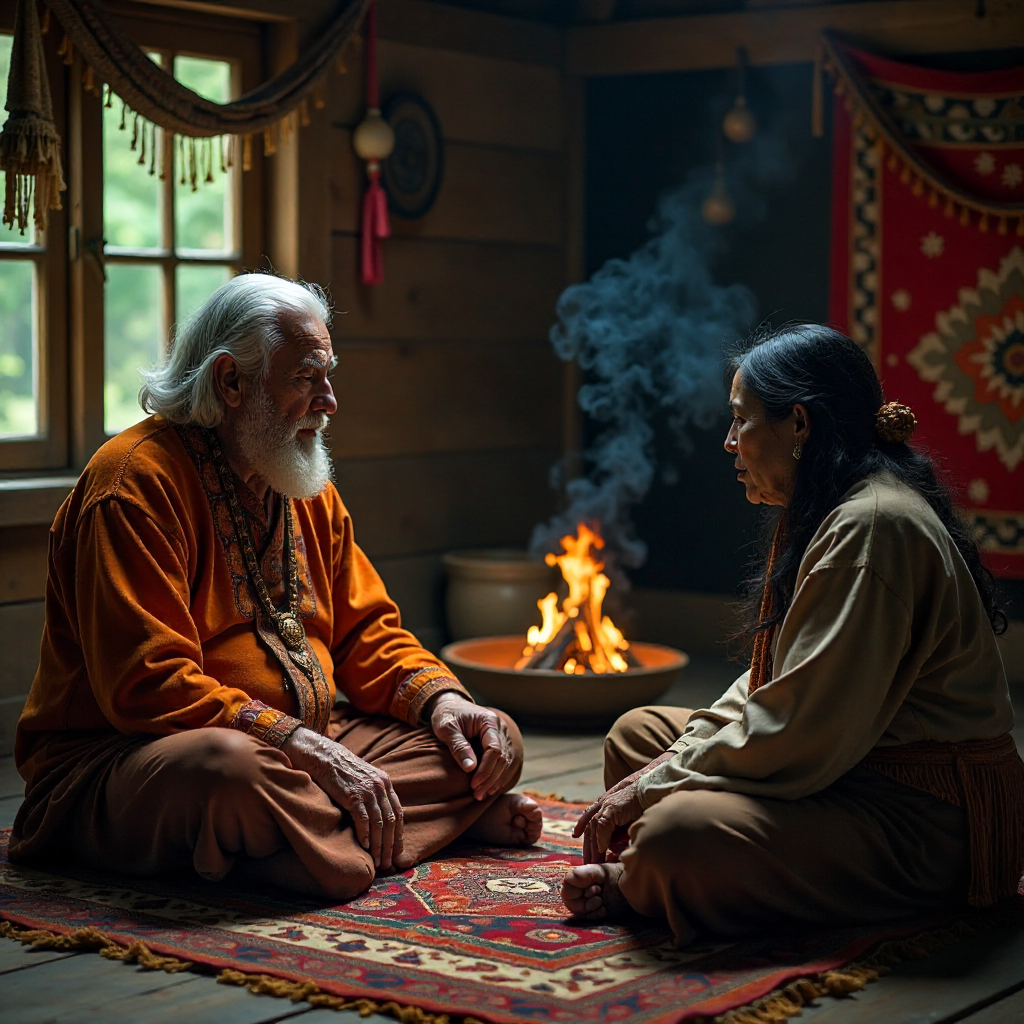
Indigenous and tribal communities often practice dream interpretation as part of holistic cultural and healing systems, where dreams inform decisions, communal welfare, and personal well-being.
For example, the Ojibwe people use dreamcatchers as physical safeguards filtering harmful dreams, reflecting a belief system where dreams can impact physical reality directly. In the Amazon Basin, shamans interpret dreams as journeys into spiritual realms, offering vital insights for healing and guidance.
Many Aboriginal Australian cultures incorporate dreams into their understanding of the land and law, seeing them as ongoing conversations with ancestral spirits that influence natural and social worlds.
These practices highlight the active, participatory role of dreams within Indigenous worldviews—far beyond passive mental events, dreams are lived experiences shaping identity and community.
Comparing Western Psychoanalytic and Non-Western Views
Western psychoanalytic theory, pioneered by Freud and Jung, often approaches dreams as windows into the unconscious mind, focusing on individual psychological conflicts and archetypes.
In contrast, many non-Western traditions interpret dreams communally, spiritually, or cosmologically, emphasizing social roles, ancestral connections, and moral guidance rather than purely personal unconscious desires.
While psychoanalysis seeks universal symbols rooted in human psychology, other cultural frameworks prioritize localized meanings shaped by history, religion, and environment.
This contrast reveals the limitations of applying a single scientific model universally and invites embracing pluralistic approaches that respect diverse global traditions in dream analysis.
Conclusion: Embracing a Multicultural Approach to Understanding Dreams
Dreams are a universal human experience deeply enriched by the cultural, spiritual, and social lenses we apply to them. Recognizing the cultural variations in dream interpretation encourages us to appreciate not only the common threads connecting human psyche but also the unique tapestries that different societies weave.
By exploring folklore, spirituality, indigenous practices, and global traditions, we gain a more nuanced and respectful understanding of dream symbolism. This multicultural perspective broadens our insight—revealing dreams as dynamic conversations between mind, culture, and cosmos across time and place.
FAQ
How do dream meanings differ between Eastern and Western cultures?
Eastern cultures often interpret dreams with emphasis on spirituality, ancestral connections, and holistic balance, while Western cultures tend to focus on individual psychology and personal unconscious conflicts.
What are some common dream symbols misunderstood across cultures?
Symbols like flying, falling, or animals can have opposing meanings depending on cultural contexts—for example, flying may mean freedom in the West but spiritual elevation in some Eastern beliefs.
Why do some cultures view dreams as prophetic or spiritual messages?
Many cultures believe dreams connect to the divine or ancestral realms, serving as warnings, guidance, or messages because of their role in religious and mythological systems.
Can cultural background change how we remember dreams?
Yes, cultural practices around attention to dreams, such as dream sharing, journaling, or rituals, can enhance recall and shape which dreams are considered significant.
How do indigenous communities use dreams in daily life or healing?
Indigenous groups often integrate dream insights into healing ceremonies, decision-making, and maintaining harmony within the community and environment, viewing dreams as active forces in life.
For more on cultural dream symbolism, see the Wikipedia page on Dream Interpretation.